
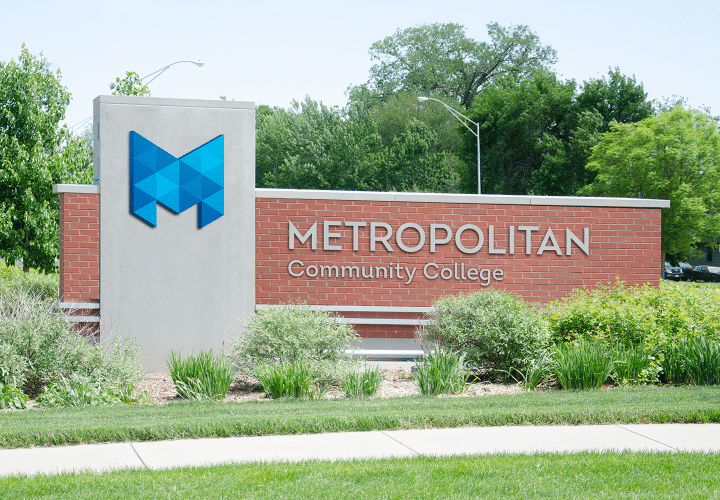
Metropolitan Community College works closely with regional employers and the local, state and federal government to develop training that responds to current workforce needs to strengthen the workforce. That includes industry-informed short-term and noncredit workforce training designed to help people quickly gain skills valued by employers.
The way we engage local employers in the design of our workforce programs makes us different. The strongest workforce programs are built with employers rather than simply built for employers. At Metropolitan Community College, industry partners help identify the skills they need, review curriculum and equipment, provide opportunities for hands-on learning and, in many cases, create direct connections to employment through sponsorships, apprenticeships and work-based learning opportunities.
That collaboration helps ensure that a credential represents more than completion of a course. It represents competencies that employers recognize, value and are actively seeking. It also allows students to build credentials incrementally, beginning with short-term training and industry certifications and, when appropriate, continuing into certificates, associate degrees and transfer pathways.
This type of partnership helps bridge the gap between education and employment by creating transparent pathways that connect learning outcomes directly to workforce opportunities. Students gain credentials that have immediate labor market value, while employers benefit from a more consistent and reliable talent pipeline.
Metropolitan Community College’s approach is increasingly focused on creating multiple entry points into high-demand careers, beginning at the entry level and extending throughout an individual’s educational and professional journey. Students can gain skills, earn credentials and enter the workforce quickly while maintaining opportunities to continue their education and advance their careers.
We achieve this through a stackable learning model that intentionally connects noncredit workforce training, industry-recognized credentials, credit-bearing certificates and degree programs. This “learning-for-all” approach recognizes that learners enter education and training at different points in life and need flexible pathways that allow them to move seamlessly between work and continued education as their goals and circumstances evolve.
Metropolitan Community College delivers relevant, student-centered education to a diverse community of learners.
Gary Girard, MCC Vice President of Community and Workforce Education